Top Reasons You Might Need a Tow Truck in Arizona
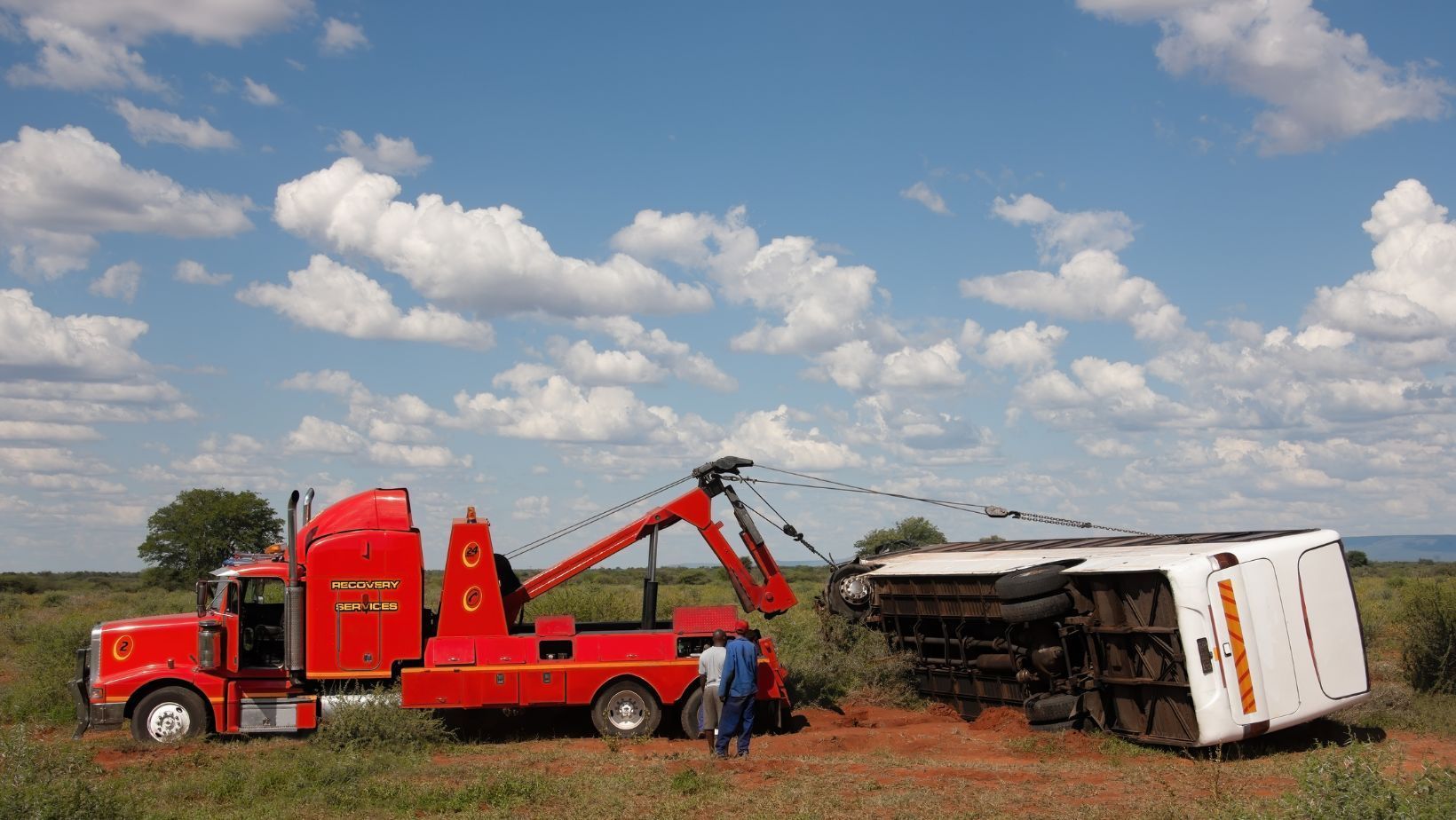
You may need a tow truck in Arizona after a vehicle breakdown, accident, overheating problem, flat tire, dead battery, mechanical failure, or situation where your vehicle becomes stuck or unsafe to drive. Arizona’s extreme heat, long highway routes, heavy traffic, and desert conditions can make roadside problems more stressful. A professional towing company can safely transport your vehicle to a repair shop, dealership, or another destination while reducing the risk of further damage.
Key Facts
- Arizona’s extreme summer heat can contribute to overheating, battery problems, and tire failures.
- A tow is often safer than driving a vehicle with serious mechanical damage or warning lights.
- Roadside assistance may solve minor issues, but some problems require professional towing.
- Vehicles involved in accidents may need a tow even when the damage appears minor.
- Professional towing helps reduce roadside exposure and prevents additional vehicle damage.
- The right tow truck depends on the vehicle’s size, weight, condition, and location.
- Knowing when to call for help can protect both your safety and your vehicle.
What Are the Most Common Reasons to Need a Tow Truck?
The most common reasons drivers need a tow truck include mechanical breakdowns, overheating, accidents, flat tires without a usable spare, dead batteries, engine or transmission problems, and vehicles that are stuck or unsafe to drive. In Arizona, extreme temperatures and long-distance travel can increase the importance of getting professional help quickly.
A tow truck is not only for vehicles that are completely disabled. Towing may also be the safest option when a vehicle can still move but has a problem that could cause additional damage or create a safety risk.
Why Arizona Drivers May Need a Tow Truck
Arizona offers wide-open highways, busy city streets, scenic desert routes, and long stretches of road between communities. These conditions can make driving enjoyable, but they also create unique challenges when a vehicle develops a problem.
High temperatures place additional stress on batteries, tires, cooling systems, and engines. A breakdown that might be inconvenient in mild weather can become more urgent when temperatures are extremely high or when a driver is far from a repair facility.
Understanding the most common reasons for towing can help you make a safer decision when vehicle trouble occurs.
1. Your Vehicle Breaks Down
A sudden breakdown is one of the most common reasons to call a tow truck. Your vehicle may stop running because of an engine problem, electrical failure, fuel-system issue, damaged belt, cooling-system malfunction, or another mechanical concern.
Some warning signs include:
- The engine shuts off unexpectedly
- The vehicle loses power
- Multiple warning lights appear
- The engine makes unusual noises
- The vehicle will not restart
- Smoke or steam comes from under the hood
- The vehicle leaks a significant amount of fluid
If your vehicle cannot operate safely, do not continue driving simply because you are close to home or a repair shop. Driving with a serious mechanical problem may create more damage and increase repair costs.
A professional towing service can move your vehicle to a trusted mechanic, dealership, or another safe destination.
2. Your Engine Is Overheating
Overheating is a major concern for Arizona drivers, especially during the hottest months. High outdoor temperatures can place extra demand on a vehicle’s cooling system.
An overheating engine may show signs such as:
- A high temperature reading
- A temperature warning light
- Steam coming from the engine area
- A strong or unusual odor
- Reduced engine performance
If the temperature warning light appears, safely move off the road when possible. Turn on your hazard lights and allow the vehicle to cool. Do not open a hot radiator cap.
If the problem is severe or the vehicle continues to overheat, a tow is often the safest choice. Continuing to drive can cause major engine damage.
3. You Are Involved in a Car Accident
After an accident, a vehicle may be unsafe to drive even when the exterior damage appears minor. Damage to the steering, suspension, tires, wheels, brakes, lights, or undercarriage may not be immediately visible.
You may need a tow if:
- A tire or wheel is damaged
- The vehicle leaks fluid
- The steering feels different
- The airbags deployed
- The vehicle has major body damage
- A warning light remains on
- The vehicle does not drive normally
After checking for injuries and following instructions from emergency personnel, contact a professional towing company if the vehicle cannot be safely operated.
A trained towing operator can use the appropriate equipment to transport the vehicle while helping prevent additional damage.
4. You Have a Flat Tire or Tire Blowout
A flat tire does not always require a tow. If you have a properly inflated spare tire, the correct tools, and a safe location, roadside assistance may be enough.
However, towing or professional roadside help may be necessary when:
- You do not have a usable spare
- More than one tire is damaged
- The wheel is bent or broken
- The vehicle is stopped on a busy highway
- The tire failed in an unsafe location
- You are unable to change the tire safely
Arizona’s heat can affect tire condition over time. Long highway trips, road debris, and underinflation may also increase the risk of tire problems.
Do not attempt a tire change beside fast-moving traffic or in a location where other drivers may not see you clearly.
5. Your Battery Is Dead
A dead battery is another common roadside problem. High temperatures can shorten battery life and place additional stress on electrical components.
If your vehicle will not start, roadside assistance may be able to provide a jump-start. However, a tow may be needed when:
- The vehicle does not start after a jump
- The battery repeatedly loses power
- The alternator may have failed
- There is an electrical-system problem
- The vehicle stalls again after starting
A jump-start may temporarily restore power, but it does not correct the underlying cause. If the battery, alternator, wiring, or another electrical component is failing, towing the vehicle to a repair facility may prevent another breakdown.
6. Your Vehicle Has an Engine or Transmission Problem
Engine and transmission problems can make a vehicle difficult or unsafe to drive. Warning signs may include:
- Grinding or knocking noises
- Severe vibration
- Difficulty accelerating
- Delayed or rough shifting
- Burning odors
- Loss of power
- A flashing warning light
Some mechanical issues require immediate attention. Continuing to drive may turn a smaller repair into a more expensive problem.
If the vehicle cannot accelerate normally, shift correctly, or maintain safe operation, call a towing professional rather than trying to drive farther.
7. You Run Out of Fuel
Running out of fuel does not always require a tow. Roadside assistance may be able to provide enough fuel to help you reach a nearby gas station.
However, a tow may be appropriate when:
- Fuel delivery is unavailable
- The vehicle will not restart after receiving fuel
- You are stranded in an unsafe location
- The vehicle has another mechanical issue
- You are far from a service station
Running out of fuel can sometimes create additional problems, particularly if the vehicle already has a weak battery or fuel-system issue.
Before calling, provide your exact location, vehicle information, and a clear description of what happened.
8. You Are Locked Out of Your Vehicle
A vehicle lockout does not usually require towing, but it is a common roadside emergency. Professional lockout assistance may help you regain access without damaging the door, window, or locking system.
Avoid using improvised tools to force the door open. Modern vehicles may have sensitive electronic locks, side-impact components, and complex weather seals.
If a lockout happens in extreme heat, prioritize your safety. If a child or pet is trapped inside a hot vehicle, contact emergency services immediately.
9. Your Vehicle Is Stuck
Arizona’s desert terrain, unpaved roads, loose gravel, sand, mud, and drainage areas can create recovery situations.
Your vehicle may become stuck in:
- Sand
- Loose dirt
- Gravel
- Mud
- A ditch
- A flooded area
- An uneven roadside shoulder
Repeatedly spinning the tires may cause the vehicle to sink deeper or damage the tires and drivetrain.
Professional recovery equipment can help remove the vehicle more safely. The recovery method depends on the vehicle’s location, weight, condition, and how deeply it is stuck.
10. Your Vehicle Cannot Be Driven Safely
Sometimes a vehicle still moves but should not be driven.
You may need a tow when:
- The steering is unstable
- The brakes do not respond normally
- A wheel is damaged
- The vehicle pulls strongly to one side
- A major warning light is active
- The vehicle is leaking fluid
- The hood, bumper, or another part is loose
- Visibility is affected by damage
A tow can be the safer choice when there is uncertainty about the vehicle’s condition.
11. You Need Long-Distance Vehicle Transport
Towing is not only for emergencies. Drivers may need vehicle transport when:
- Moving to another city
- Transporting a non-operational vehicle
- Taking a vehicle to a distant repair facility
- Moving a classic or specialty vehicle
- Transporting a vehicle that is not registered or insured for road use
Professional transport can reduce mileage and avoid the risks associated with driving a vehicle that is not ready for the road.
12. You Need Help During Extreme Weather
Arizona is known for intense heat, but drivers may also face heavy rain, dust storms, flash flooding, and reduced visibility.
Weather-related problems may include:
- Hydroplaning
- Flooded roadways
- Vehicles stuck in mud
- Reduced traction
- Collision damage
- Engine or electrical problems
Never drive into a flooded roadway. Water depth can be difficult to judge, and moving water may be stronger than it appears.
If weather conditions make your vehicle unsafe to operate, move to a safe location when possible and request professional assistance.
Roadside Assistance vs. Tow Truck: Which Do You Need?
SituationRoadside Assistance May HelpA Tow May Be NeededDead batteryYes, with a jump-startIf the vehicle will not stay runningFlat tireYes, if a usable spare is availableIf the wheel is damaged or no spare is availableEmpty fuel tankYes, with fuel deliveryIf the vehicle will not restartVehicle lockoutYes, with professional lockout serviceUsually not necessaryEngine overheatingSometimes, after the vehicle coolsOften recommended if overheating continuesMechanical breakdownOnly for minor issuesOften necessaryAccident damageSometimes, depending on the damageRecommended when the vehicle is unsafeVehicle stuck in sand or a ditchRecovery service may helpSpecialized recovery equipment may be requiredBrake or steering failureNoYes, for safetyTransmission failureNoYes
The correct service depends on the condition of the vehicle and the safety of the location. A professional dispatcher can help determine whether roadside assistance, towing, or vehicle recovery is appropriate.
What to Do While Waiting for a Tow Truck
If your vehicle breaks down, your first priority should be staying safe.
- Move to a safe location if possible. Pull away from traffic without forcing the vehicle to continue operating.
- Turn on your hazard lights. This helps other drivers see your vehicle.
- Stay aware of traffic. Avoid standing beside the vehicle near moving traffic.
- Choose a safe waiting location. Depending on the road and surrounding conditions, remaining inside the vehicle may be safer than standing outside.
- Share accurate location details. Use a nearby cross street, mile marker, business, landmark, or GPS location.
- Describe the problem clearly. Tell the dispatcher whether the vehicle is running, damaged, stuck, or blocking traffic.
- Provide the vehicle information. Include the year, make, model, color, and any special conditions.
- Prepare your destination. Decide whether the vehicle should go to a repair shop, dealership, home, or another location.
Common Mistakes Arizona Drivers Make
Continuing to Drive With Warning Lights
A warning light does not always mean the vehicle must stop immediately, but some warnings indicate a serious issue. Ignoring an overheating warning, oil-pressure warning, or major brake problem can cause additional damage.
How to avoid it: Review your owner’s manual and stop safely when a critical warning appears.
Trying to Repair a Serious Problem on the Road
Minor tasks may be manageable in a safe location, but roadside repairs can be dangerous and may not address the underlying issue.
How to avoid it: Call professional roadside assistance or towing when the problem is unclear or serious.
Driving an Accident-Damaged Vehicle
Damage may affect systems that are not visible from the outside.
How to avoid it: Have the vehicle inspected or towed when there is any concern about steering, braking, wheel, tire, or structural damage.
Spinning the Tires When Stuck
Excessive wheel spin can make a vehicle sink deeper into sand or loose ground.
How to avoid it: Stop trying to accelerate and request professional recovery assistance.
Waiting Until an Emergency to Find a Towing Company
Searching for a reliable towing service while stranded can add stress and delay.
How to avoid it: Save the contact information for a trusted local towing company before you need help.
Forgetting to Check the Vehicle Before Long Trips
Long drives through Arizona can place additional stress on tires, batteries, cooling systems, and fluids.
How to avoid it: Check tire pressure, fluid levels, battery condition, and cooling-system performance before traveling.
Expert Tips for Avoiding Towing Emergencies
- Have your battery tested regularly, especially before the hottest part of the year.
- Check tire pressure when the tires are cold and follow the manufacturer’s recommended pressure.
- Inspect tires for uneven wear, cracking, or damage.
- Monitor the engine temperature gauge during long drives.
- Keep coolant and other vehicle fluids at the recommended levels.
- Schedule regular maintenance based on the manufacturer’s service intervals.
- Carry water, a phone charger, basic emergency supplies, and a first-aid kit.
- Keep your fuel level above a quarter tank when traveling through remote areas.
- Save a reliable towing company’s phone number in your contacts.
- Tell someone your route when traveling long distances through rural areas.
Frequently Asked Questions
What is the most common reason people need a tow truck?
Vehicle breakdowns are one of the most common reasons for towing. Engine problems, overheating, electrical failures, transmission issues, and vehicles that will not start often require professional transport.
Does a dead battery always require a tow?
No. A jump-start may solve the immediate problem. However, a tow may be needed if the vehicle does not start, repeatedly loses power, or has an alternator or electrical-system failure.
Should I call a tow truck if my car is overheating?
If the vehicle continues to overheat, produces steam, or displays a serious temperature warning, stop driving and request professional assistance. Continuing to drive may cause major engine damage.
Can a tow truck transport a vehicle after an accident?
Yes. A professional towing company can transport an accident-damaged vehicle to a repair facility, dealership, storage location, or another approved destination.
Is roadside assistance different from towing?
Yes. Roadside assistance may include jump-starts, tire changes, fuel delivery, and lockout help. Towing transports a vehicle when it cannot be safely repaired or driven at the roadside.
What information should I provide when calling for a tow?
Provide your location, vehicle year, make, model, color, condition, and destination. Also explain whether the vehicle is running, damaged, stuck, or located in an unsafe area.
Can a tow truck help if my vehicle is stuck in sand?
Yes. A towing company may provide vehicle recovery using specialized equipment. The appropriate method depends on the vehicle’s location and condition.
How much does a tow truck cost in Arizona?
Towing costs vary based on the distance, vehicle type, location, time, required equipment, and complexity of the job. Ask for pricing information before service begins whenever possible.
Is it safe to drive with accident damage?
Not always. Even minor-looking damage can affect the tires, wheels, steering, brakes, suspension, lights, or other safety systems. A professional inspection or tow may be the safer choice.
When should I call roadside assistance instead of a tow truck?
Call roadside assistance for minor problems that may be resolved at the roadside, such as a jump-start, tire change, fuel delivery, or lockout. Request a tow when the vehicle is unsafe or unable to operate.
Why Choose Azteca Towing?
Vehicle trouble can be stressful, especially when it happens during extreme Arizona heat, on a busy Phoenix roadway, or far from a repair facility. Azteca Towing provides vehicle towing, roadside assistance, lockout assistance, and abandoned vehicle towing services for drivers in Phoenix and surrounding communities. The company has served the local area for more than 10 years and emphasizes experienced personnel, appropriate equipment, clear communication, and dependable assistance.
Azteca Towing understands the local driving conditions and serves communities including Phoenix, Tempe, Scottsdale, Glendale, Peoria, and Avondale. The team can help assess the situation and determine the appropriate service for the vehicle and location.
Need a Tow Truck in Arizona? Contact Azteca Towing
A vehicle problem can happen without warning. Whether you are dealing with a breakdown, accident, overheating engine, dead battery, flat tire, or vehicle that is stuck, getting professional help can protect your safety and prevent additional vehicle damage.
If you need towing or roadside assistance in Phoenix or the surrounding area, contact Azteca Towing. Provide your location, vehicle information, and a description of the problem so the team can help determine the right service and equipment for your situation.