What to Do When Your Car Breaks Down in Phoenix
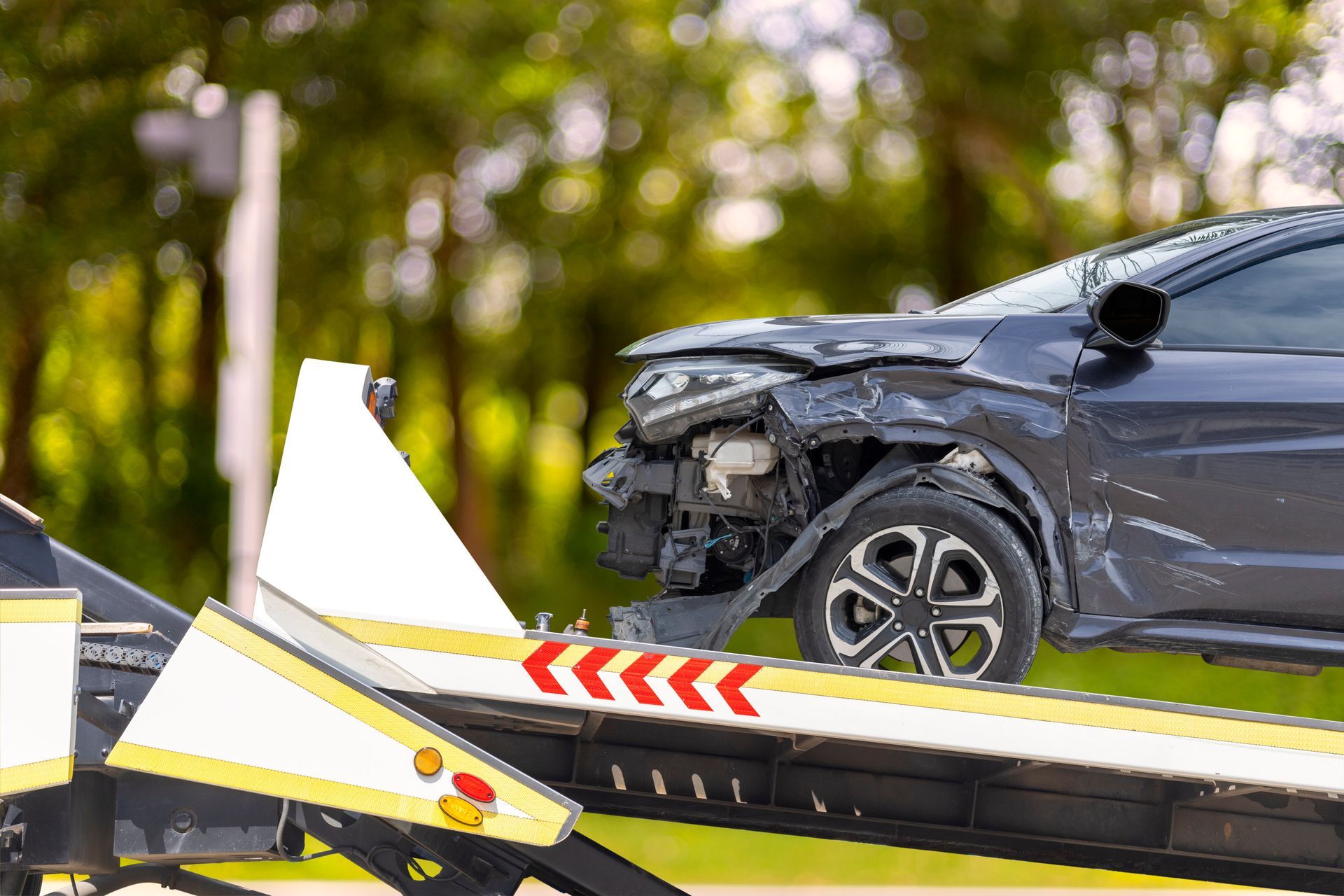
If your car breaks down in Phoenix, prioritize your safety before trying to diagnose or repair the vehicle. Turn on your hazard lights, move completely off the roadway if you can do so safely, and call for assistance. Phoenix's extreme heat makes a breakdown especially serious, so stay hydrated and avoid unnecessary exposure to traffic or heat while waiting for professional roadside assistance or a tow truck.
Key Facts
- Move your vehicle completely off the roadway when possible.
- Turn on your hazard lights immediately to make the vehicle more visible.
- On a freeway, do not stand or walk along the roadway while waiting for help.
- Phoenix heat can make a roadside breakdown dangerous, especially if you are waiting for an extended period.
- Call 911 when the situation presents an immediate safety or medical emergency.
- Arizona's AZ 511 provides current information about traffic, crashes, road closures, and highway conditions.
- If the vehicle cannot be safely driven, professional towing is usually safer than attempting to continue driving.
What Should You Do When Your Car Breaks Down in Phoenix?
When a vehicle stops working unexpectedly, the first priority should be getting yourself and your passengers away from immediate danger. The vehicle can be dealt with after everyone is in a reasonably safe position.
A breakdown on a Phoenix freeway such as I-10, I-17, Loop 101, or Loop 202 can be particularly stressful because of traffic, high temperatures, and long distances between safe stopping locations.
Follow these steps.
1. Stay Calm and Slow Down
If you notice something is wrong while driving, don't panic or make sudden steering movements.
Common warning signs include:
- Loss of engine power
- Overheating
- Warning lights
- Strange noises
- Smoke or unusual smells
- Flat or damaged tire
- Electrical problems
- Difficulty steering
- Brake problems
Reduce your speed gradually and look for the safest available place to stop.
If the vehicle is still moving normally enough to reach a safe location, use that opportunity rather than stopping immediately in an active traffic lane.
2. Move Completely Off the Road if Possible
If your car can still move safely, steer toward the shoulder, a parking area, or another location away from moving traffic.
Arizona Department of Public Safety guidance specifically recommends getting completely off the highway when possible and avoiding stopping in a traffic lane or gore area.
This is particularly important around busy Phoenix-area freeways.
Do not attempt to move a vehicle if doing so could create another hazard.
If the vehicle cannot move, turn on your hazard lights and focus on making your location visible.
3. Turn On Your Hazard Lights
Hazard lights tell approaching drivers that your vehicle is disabled or experiencing an emergency.
Keep them activated while you wait for assistance.
If appropriate and safe, raising the hood can also help communicate that the vehicle is disabled. Arizona DPS recommends hazard lights and raising the hood as signals for a nonoperational vehicle.
However, don't walk into traffic to place warning devices or attempt anything that puts you in danger.
4. Decide Whether You Should Stay Inside the Vehicle
Your surroundings matter.
If you are safely away from traffic, remaining inside the locked vehicle may be the safest option while waiting for assistance.
If the vehicle is stopped in a dangerous position or the interior is becoming dangerously hot, the safest course can be different. Arizona DPS advises stranded motorists to stay away from travel lanes and seek shade when necessary.
Use your judgment based on:
- Traffic speed
- Distance from the roadway
- Temperature
- Vehicle position
- Smoke or fire
- Medical needs
- Presence of children or pets
- Availability of a safe nearby location
If there is smoke, fire, or another immediate danger, move away from the vehicle and contact emergency services.
5. Be Especially Careful in Phoenix Heat
A vehicle breakdown in Phoenix isn't just an inconvenience.
Extreme heat can turn a roadside wait into a serious safety situation. Arizona DPS recommends keeping water in the vehicle and emphasizes hydration and finding shade during extreme heat emergencies.
If your vehicle's air conditioning is working and you're safely positioned away from traffic, it may help you remain more comfortable while waiting.
Keep drinking water.
If the vehicle becomes dangerously hot, don't remain inside simply because you are waiting for a tow truck. Move to a safe, shaded location away from traffic when necessary.
Phoenix Drivers Should Keep Emergency Supplies
A useful emergency kit can include:
- Drinking water
- Fully charged phone
- Phone charging cable or power bank
- Flashlight
- First-aid supplies
- Basic emergency equipment
- Appropriate vehicle documentation
Arizona DPS also recommends carrying water, a flashlight, first-aid supplies, and other emergency items when traveling in extreme heat.
6. Call for Help
Once you are in a safe position, determine what type of assistance you need.
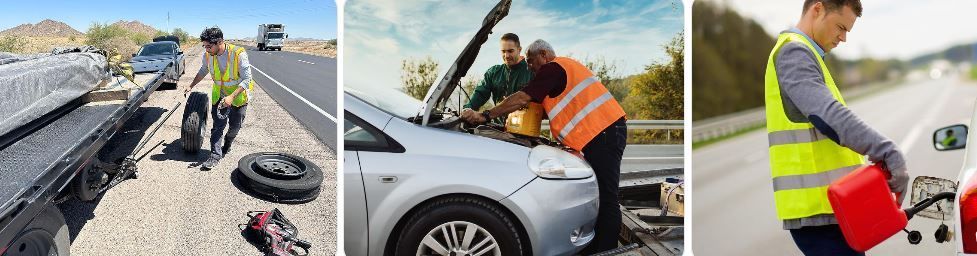
Depending on the situation, you may need:
- Roadside assistance
- Tire assistance
- Jump-start service
- Fuel delivery
- Lockout assistance
- Vehicle towing
- Accident recovery
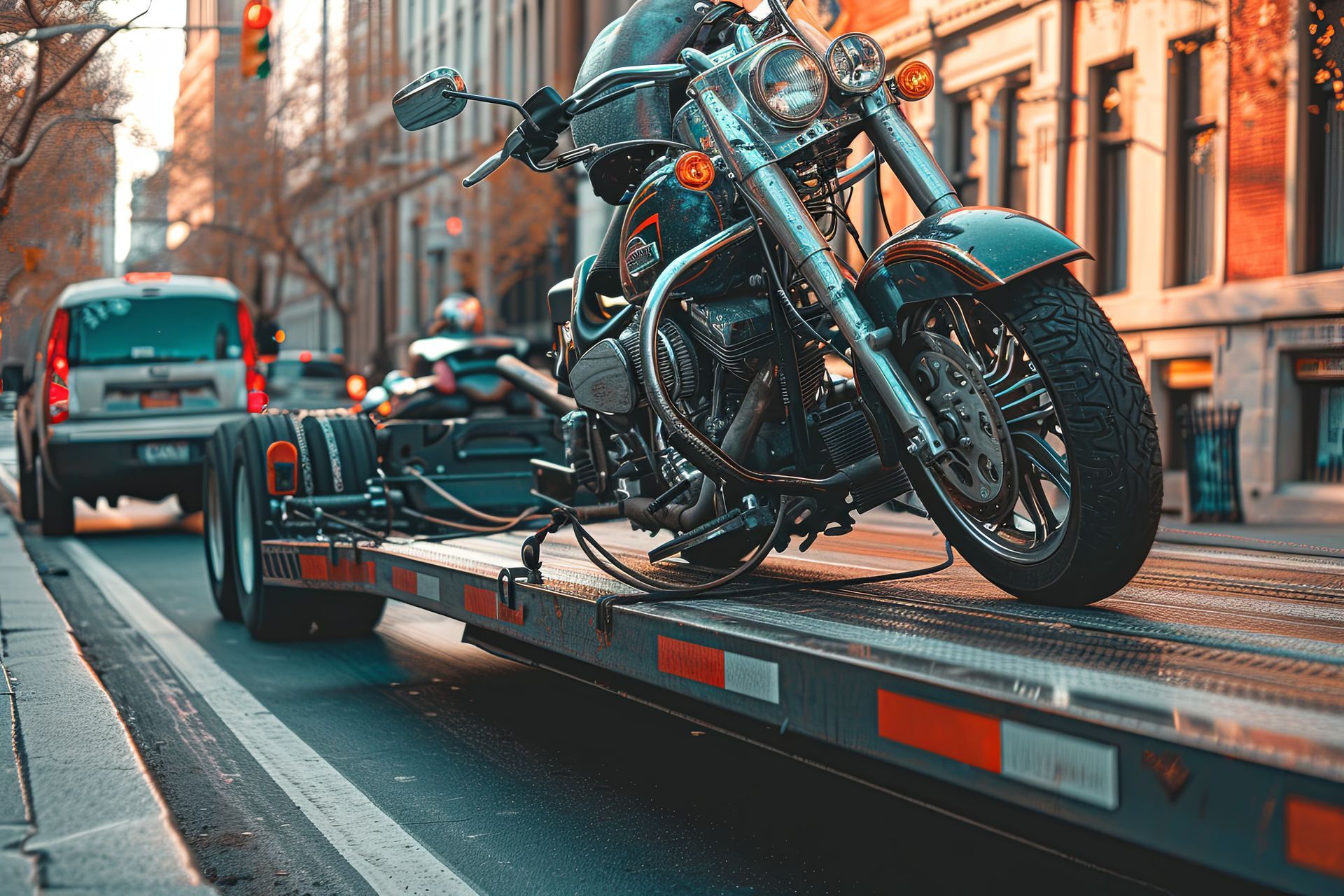
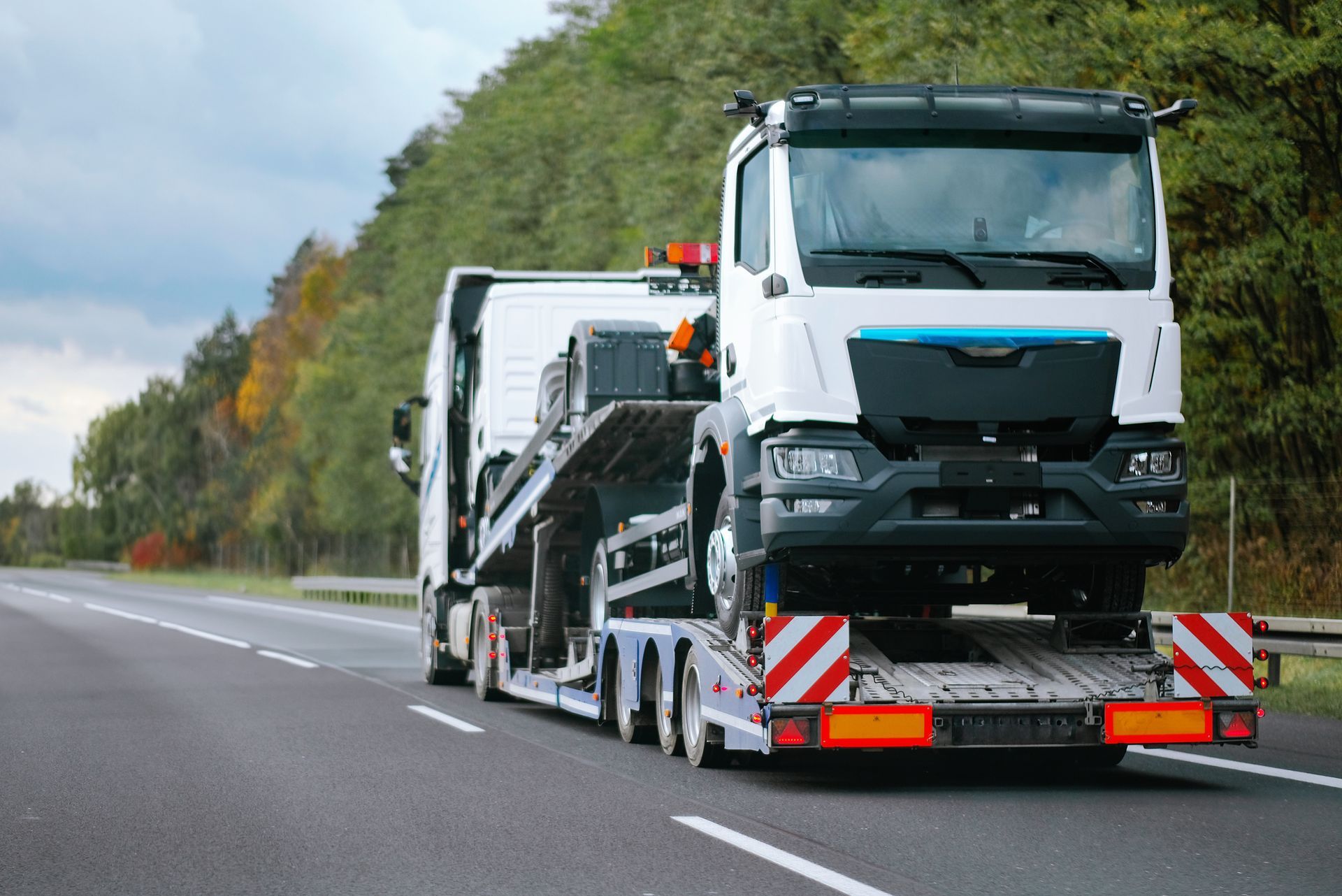
If the problem cannot be safely resolved where you are, a tow truck can transport the vehicle to a repair facility or another appropriate destination.
Azteca Towing provides towing and roadside assistance in Phoenix, including vehicle towing, lockout assistance, and roadside services.
7. Give the Towing Company Your Exact Location
One of the most important things you can do is provide an accurate location.
Don't simply say:
"I'm on I-10."
Give as much information as you safely can, such as:
- Highway number
- Direction of travel
- Nearest exit
- Cross street
- Mile marker
- Nearby business
- Recognizable landmark
- Description of the vehicle
Arizona's AZ 511 system can provide highway information and allows motorists to check conditions, incidents, travel times, and highway cameras.
You can also use 511 in Arizona for traveler information.
If you're unsure of your exact location, don't put yourself in danger trying to find a road sign or mile marker. Share your phone's location with the service provider if your device allows it.
8. Don't Attempt a Repair in a Dangerous Location
A common mistake is trying to diagnose the vehicle immediately.
If you're safely parked in a driveway or parking lot, checking basic information may be reasonable.
On a busy freeway shoulder, however, attempting repairs can expose you to traffic and extreme temperatures.
Arizona DPS specifically warns that attempting repairs during extreme heat can create additional danger because of the physical exertion involved.
If the vehicle is in an unsafe location, let trained roadside or towing professionals handle it.
Common Reasons Cars Break Down in Phoenix
Phoenix's climate can place additional demands on vehicles, particularly during periods of extreme heat.
Common roadside problems include:
Dead Battery
High temperatures can affect automotive batteries and shorten their useful life.
If the engine won't crank or you hear clicking when attempting to start the vehicle, a battery or charging-system problem may be involved.
Overheating
An overheating engine should not be ignored.
Potential causes include cooling-system problems, low coolant, radiator issues, thermostat problems, or other mechanical faults.
Never remove a radiator cap while the engine is hot. Arizona DPS specifically warns against doing so.
Flat Tire or Blowout
Hot pavement and improperly inflated tires can contribute to tire problems. Arizona DPS recommends checking tire pressure according to the vehicle manufacturer's specifications.
Empty Fuel Tank
Running out of fuel is inconvenient anywhere, but it can become much more serious during extreme Arizona heat.
Alternator or Electrical Failure
A failing alternator can prevent the battery from charging properly, eventually leaving the vehicle unable to operate.
Mechanical Failure
Engine, transmission, steering, or other major mechanical failures can make the vehicle unsafe to drive.
When you aren't sure whether the vehicle is safe to operate, towing it is generally preferable to risking additional damage or another roadside incident.
When Should You Call a Tow Truck Instead of Driving?
If the vehicle has a serious mechanical problem, continuing to drive can make the situation worse.
Consider professional towing when:
SituationRecommended ApproachDead batteryRoadside assistance may be sufficientFlat tireTire assistance or towing if the tire cannot be safely replacedEmpty fuel tankFuel delivery may solve the problemEngine overheatingStop driving and seek professional assistanceSerious accident damageTow the vehicleTransmission failureTow the vehicleBrake problemsDo not continue driving; seek professional helpSteering problemsStop driving and arrange professional assistanceUnknown major mechanical problemHave the vehicle evaluated or towed
The key question isn't simply "Can my car move?"
It's "Is my car safe to drive?"
If the answer is uncertain, don't take unnecessary chances.
What If Your Car Breaks Down on a Phoenix Freeway?
Freeway breakdowns require extra caution because vehicles may be traveling at high speeds.
Arizona DPS recommends getting completely off the highway when possible and specifically advises drivers not to walk along the highway or leave a disabled vehicle sitting in a travel lane.
Phoenix-area drivers may encounter heavy traffic on roads including:
- I-10
- I-17
- Loop 101
- Loop 202
- US 60
- SR 51
If you are stopped on or near one of these routes, focus on visibility and distance from moving traffic.
If there is an immediate emergency, call 911.
For current highway conditions, closures, incidents, and traffic information, Arizona's AZ 511 system provides real-time traveler information.
What If Your Car Breaks Down at Night?
Nighttime creates additional visibility concerns.
Make sure your hazard lights are operating and remain in a location where approaching drivers can see the disabled vehicle.
If you are waiting for a tow truck, be cautious about accepting assistance from an unidentified or unmarked vehicle.
Before allowing someone to handle your vehicle, verify that they are the towing provider you contacted.
What If Your Car Breaks Down After an Accident?
A vehicle involved in a collision may have damage that isn't immediately visible.
Even if the vehicle still starts, problems with:
- Steering
- Brakes
- Suspension
- Wheels
- Frame or structure
- Cooling system
- Electrical components
can make driving unsafe.
If you're unsure whether the vehicle is roadworthy, arrange professional towing rather than attempting to drive it to a repair facility.
Arizona also promotes "Quick Clearance" for certain minor, non-injury freeway collisions when a vehicle can safely be moved out of travel lanes.
Safety and the specific circumstances of the incident should determine what you do next.
Common Mistakes to Avoid
Trying to Fix the Vehicle in a Traffic Lane
Don't put yourself between your disabled vehicle and moving traffic.
Ignoring Overheating
Continuing to drive an overheating vehicle can turn a manageable problem into a much more serious mechanical failure.
Walking Along the Freeway
Arizona DPS specifically advises stranded motorists not to walk along the highway.
Forgetting About Hydration
Phoenix heat can become dangerous quickly. Keep water in your vehicle and drink regularly.
Giving an Incomplete Location
A precise location can help the towing provider find you faster.
Continuing to Drive an Unsafe Vehicle
If you're experiencing serious steering, braking, engine, transmission, or structural problems, don't assume the vehicle is safe simply because it can still move.
How to Prepare for a Phoenix Roadside Emergency
A few simple habits can make a future breakdown much easier to handle.
Check Your Vehicle Before Long Trips
Pay attention to:
- Tire condition
- Tire pressure
- Battery condition
- Coolant
- Engine oil
- Belts and hoses
- Air conditioning
- Warning lights
Arizona transportation officials recommend checking coolant, fluids, battery condition, tires, and air conditioning before traveling in extreme heat.
Why Choose Azteca Towing in Phoenix?
A breakdown can happen when you're commuting, traveling across the Valley, heading to work, or simply running errands.
Azteca Towing provides towing and roadside assistance in Phoenix and surrounding communities. Its services include vehicle towing, roadside assistance, lockout assistance, and other emergency towing solutions.
The company also handles different vehicle types and situations, with towing equipment selected according to factors such as vehicle weight, dimensions, and towing requirements.
For Phoenix drivers, that means you can contact a local towing provider when your vehicle cannot safely continue on its own.
Whether you're dealing with a mechanical breakdown, flat tire, dead battery, lockout, accident, or another roadside problem, the priority remains the same: get yourself to a safe position and arrange professional help.
Contact us
A broken-down vehicle is stressful, but knowing what to do can help you stay safer while assistance is on the way.
If your car won't start, has a mechanical problem, has been involved in an accident, or cannot safely continue driving in Phoenix, contact Azteca Towing for professional towing and roadside assistance.