Emergency Roadside Tips For Overheating Engines: What To Do
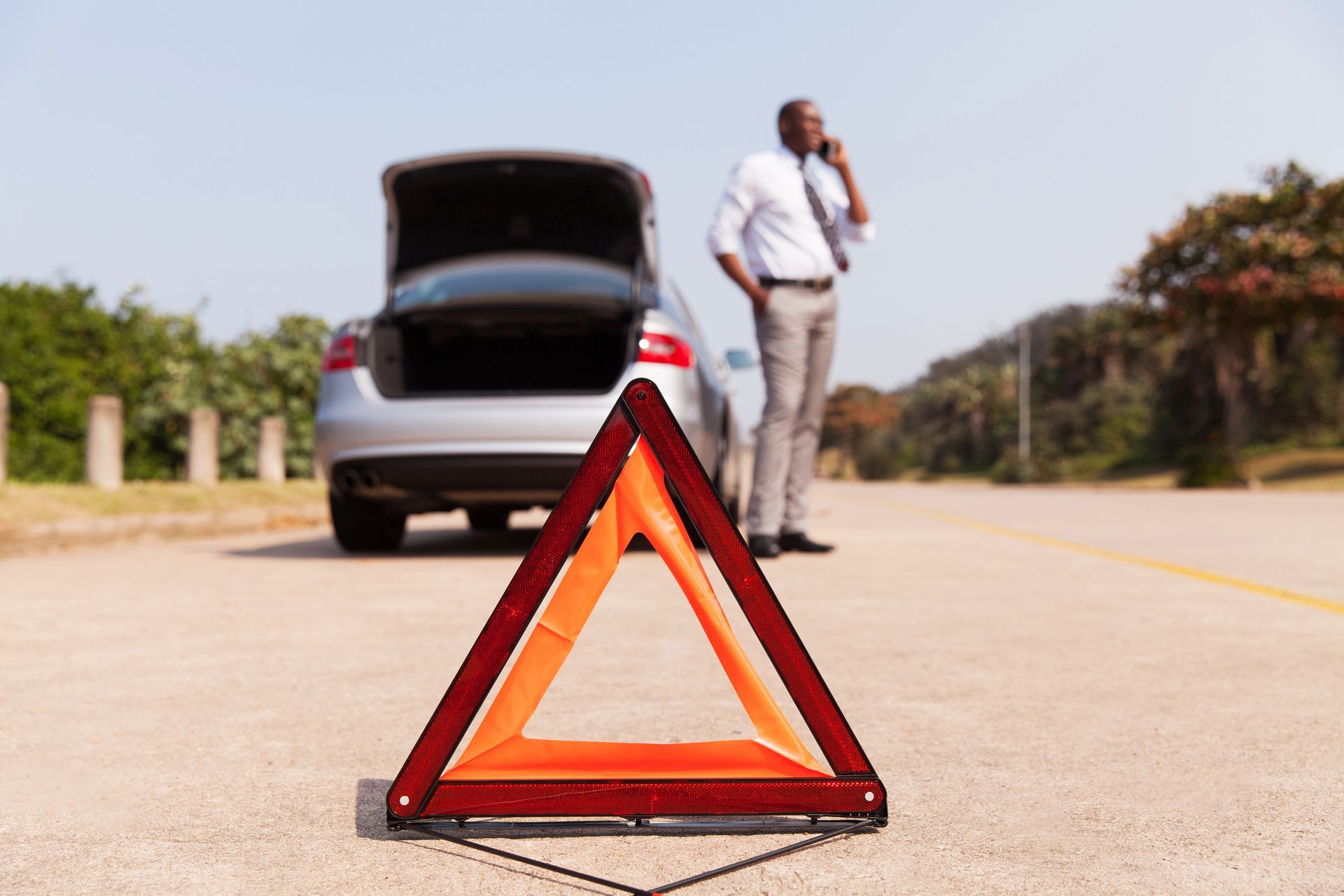
When you’re cruising down the highway or navigating busy city streets, the last thing you want is your engine temperature gauge to spike. An overheating engine can quickly escalate into a costly repair if not addressed properly. At Azteca Towing, we’ve seen our fair share of roadside emergencies, especially when it comes to overheating engines. That’s why we’re here to provide clear guidance on what to do, and what not to do when faced with this situation. Let’s dive in.
Signs Of An Overheating Engine
Before we discuss how to handle an overheating engine, it’s important to recognize the signs:
- Rising Temperature Gauge: Most vehicles have a dashboard temperature gauge. If it creeps into the red zone, it’s a sign your engine is overheating.
- Steam from the Hood: Steam, often mistaken for smoke, can signal an overheated cooling system.
- Burning Smell: A sharp, unpleasant odor may indicate your engine’s components are too hot.
- Warning Lights: Some cars have a specific warning light to alert you of engine overheating.
- Performance Issues: You might notice sluggish acceleration or reduced engine power.
What To Do When Your Engine Overheats
When your engine begins to overheat, quick and careful action can prevent further damage. Here’s what to do:
1. Turn Off The AC And Turn On the Heater
This may seem counterintuitive, but turning off your air conditioning reduces the strain on your engine, while turning on the heater pulls heat away from the engine. This simple step can help cool your engine down while you figure out your next move.
2. Pull Over Safely
As soon as you notice signs of overheating, find a safe place to pull over. Driving with an overheated engine can lead to severe damage, including a cracked engine block or a blown head gasket.
3. Turn Off The Engine
Once you’ve stopped, turn off your vehicle. This gives the engine a chance to cool down and prevents further overheating. Leave the hood closed for at least 15 minutes to allow the heat to dissipate gradually.
4. Check Coolant Levels
After the engine has cooled (wait at least 30 minutes), carefully open the hood and check the coolant reservoir. If it’s low or empty, adding coolant might resolve the problem temporarily. However, avoid opening the radiator cap while the engine is hot—it can release scalding steam and coolant.
5. Call For Emergency Roadside Assistance
If you’re unsure about what’s causing the overheating or if adding coolant doesn’t help, it’s best to call a professional like Azteca Towing. Our emergency roadside services include towing and minor mechanical assistance, ensuring you and your vehicle are taken care of promptly.
What Not To Do When Your Engine Overheats
Just as important as knowing what to do is knowing what actions to avoid. Here’s what NOT to do in an overheating emergency:
1. Don’t Keep Driving
Continuing to drive with an overheating engine can cause irreparable damage. It’s far better to pull over and call for help than to risk a costly repair bill.
2. Don’t Open the Radiator Cap Immediately
The radiator and coolant system operate under high pressure when hot. Opening the cap can result in severe burns from escaping steam or boiling coolant. Always wait until the engine has fully cooled.
3. Don’t Use Cold Water To Cool The Engine
Pouring cold water on a hot engine can cause metal components to crack due to sudden temperature changes. Stick to adding coolant or waiting for professional assistance.
4. Don’t Ignore The Problem
Even if your engine cools down and you’re able to drive again, it’s crucial to have your vehicle inspected. Overheating can be a symptom of a more serious issue, such as a faulty thermostat, radiator leak, or water pump failure.
Common Causes Of Engine Overheating
Understanding why engines overheat can help you prevent future issues. Here are some common culprits: Explore Post-Minor Car Accidents: Emergency Roadside Assistance Tips for more information.
- Low Coolant Levels: A lack of coolant is the most frequent cause of overheating. Coolant absorbs heat and prevents the engine from getting too hot.
- Coolant Leaks: Leaks in the radiator, hoses, or water pump can lead to insufficient coolant levels.
- Broken Thermostat: The thermostat regulates coolant flow. If it’s stuck closed, coolant won’t circulate properly.
- Faulty Radiator Fans: These fans help dissipate heat. If they’re not working, your engine may overheat, especially in stop-and-go traffic.
- Clogged Radiator: Dirt, debris, or rust can block the radiator, reducing its efficiency.
- Failed Water Pump: The water pump is essential for circulating coolant. If it fails, the engine can overheat quickly.
Preventing Engine Overheating
Prevention is always better than cure. Here are some tips to keep your engine running cool:
- Regular Maintenance: Schedule routine inspections for your cooling system, including the radiator, hoses, and coolant levels.
- Check Coolant Levels Frequently: Top off your coolant as needed and ensure you’re using the correct type for your vehicle.
- Inspect Belts and Hoses: Look for signs of wear, cracks, or leaks, and replace any damaged components.
- Flush the Radiator: Periodically flushing and refilling the radiator prevents clogs and removes old, degraded coolant.
- Monitor the Temperature Gauge: Keep an eye on your dashboard temperature gauge, especially during long drives or in hot weather.
How Azteca Towing Can Help
At Azteca Towing, we understand how stressful an overheating engine can be, especially when it happens unexpectedly. Our emergency roadside services are designed to provide fast, reliable assistance when you need it most. Whether you’re stranded on a rural road or stuck in rush-hour traffic, we’re just a call away.
Here’s how we can assist with an overheating engine:
- Emergency Towing: If your engine can’t be cooled down or repaired on the spot, we’ll tow your vehicle to a trusted mechanic.
- Coolant Delivery: In some cases, we can provide coolant on-site to help get you back on the road.
- Expert Advice: Our experienced technicians can help identify the cause of the overheating and recommend the next steps.
Conclusion
An overheating engine is one of the most common causes of emergency roadside assistance calls, but it doesn’t have to be a disaster. By staying calm, taking the right steps, and avoiding critical mistakes, you can protect your vehicle from severe damage. And when in doubt, remember that Azteca Towing is here to help with reliable, professional assistance tailored to your needs.
Whether it’s towing, roadside repairs, or simply a helping hand, trust Azteca Towing to get you safely back on the road. If you’re ever in need of emergency roadside assistance,
give us a call we’re here to turn your stressful situation into a smooth resolution.