How Can You Safely Jumpstart a Dead Battery?
Dead car batteries often strike when you least expect them, leaving you stranded and frustrated. Whether you're stuck in a remote area or simply in a hurry, knowing how to safely jumpstart a dead battery is an essential skill every driver should possess. Not only can it save you precious time and money, but it also ensures you're not left stranded in potentially dangerous situations. In this comprehensive guide, we will walk you through the step-by-step process of safely jumpstarting a dead battery. AZTECA TOWING understands the importance of this knowledge and is here to provide you with the guidance you need.
Understanding the Basics
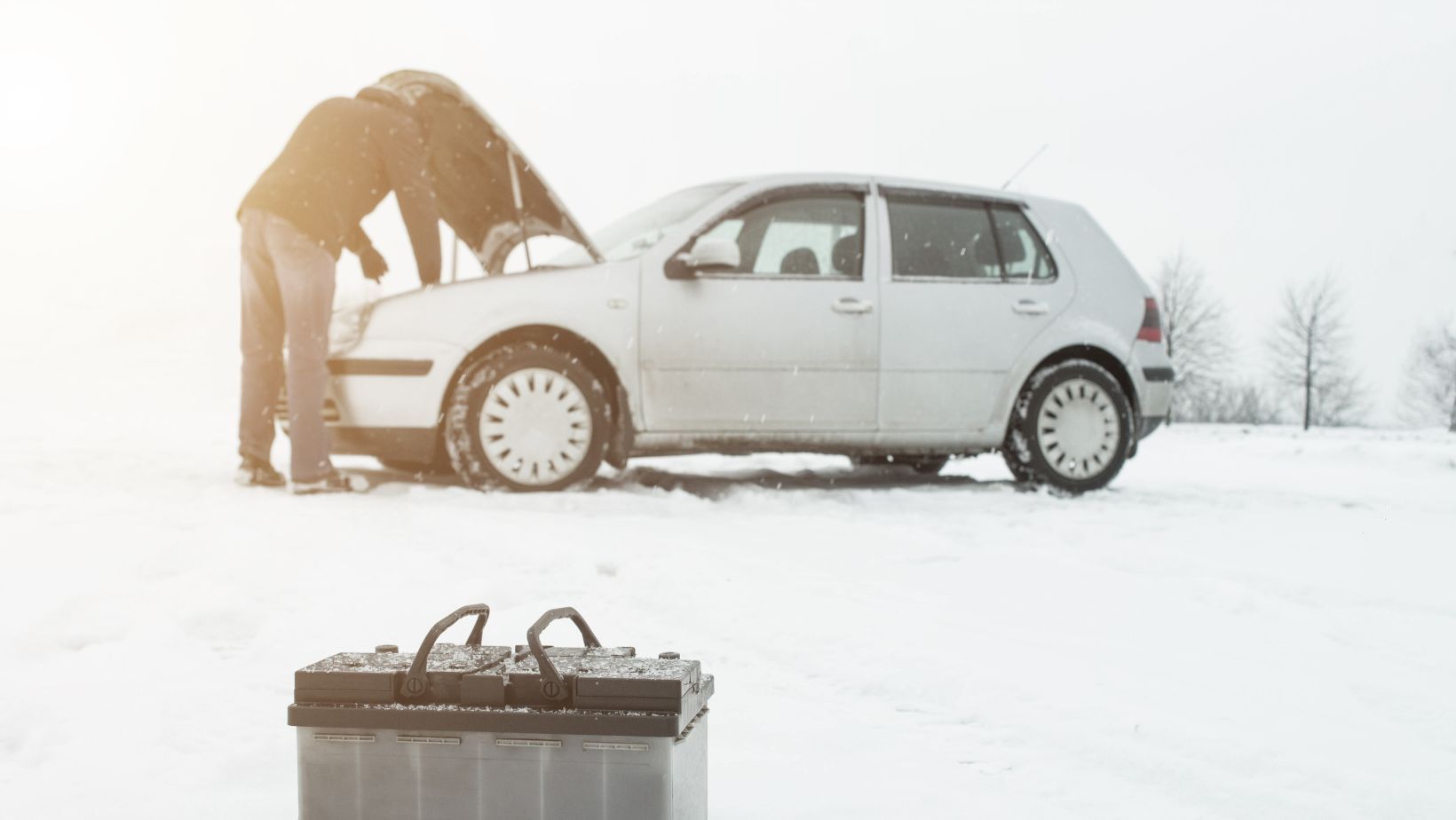
Before diving into the nitty-gritty of jumpstarting a dead battery, it's crucial to understand the fundamentals. A car battery provides the electrical energy needed to start the engine and power various electrical components in your vehicle. Unfortunately, batteries can die for several reasons, including leaving lights on, extreme weather conditions, or an old battery reaching the end of its life. Being aware of these factors will help you grasp the significance of knowing how to jumpstart a dead battery properly.
The primary tools and equipment required for jumpstarting are jumper cables and another functional vehicle with a charged battery. These cables come in various lengths and are typically color-coded, with red for the positive (+) cable and black for the negative (-) cable. Having a basic understanding of these components will ensure you approach jumpstarting with confidence and safety in mind. Now, let's explore the critical safety precautions you must take before initiating the jumpstart.
Safety First
Jumpstarting a dead battery can be a straightforward process if done correctly, but it also carries potential risks. Ensuring your safety and the safety of others is paramount. Before attempting a jumpstart, always wear safety glasses and gloves to protect your eyes and hands from any sparks or acid leaks that may occur during the process. Additionally, make sure both vehicles are parked in a safe location, away from traffic and with enough space to comfortably work between them.
To avoid electrical shock or damage to your vehicle's electrical system, ensure that the ignition is turned off on both vehicles before connecting the jumper cables. Additionally, make sure that the cables do not touch any moving parts of the engine, such as fans or belts, as this can lead to accidents or damage to the cables. Always follow these safety precautions to minimize any potential risks involved in jumpstarting a dead battery.
Identifying the Components
To safely jumpstart a dead battery, you must first be able to identify the key components of both your vehicle's battery and the vehicle providing the jumpstart. In most cases, you can find the car battery located under the hood of your vehicle. The battery will have two terminals: a positive (+) terminal, typically marked with a plus sign or the letters "POS," and a negative (-) terminal, often marked with a minus sign or "NEG."
Similarly, when you're using another vehicle to provide the jumpstart, you will need to identify the positive and negative terminals of its battery as well. These terminals are usually color-coded with red for positive and black for negative. Understanding where these components are located and how to differentiate between them is crucial as you proceed with the jumpstarting process.
Steps to Safely Jumpstart a Dead Battery
Now that you've got the basics and safety precautions covered, let's dive into the step-by-step process of safely jumpstarting a dead battery. Remember to follow these steps meticulously to ensure a successful jumpstart without any mishaps.
Step 1: Positioning the Vehicles
Start by parking both vehicles facing each other, ensuring that they are close enough for the jumper cables to reach but not touching. It's essential to position the vehicles in a way that allows easy access to the batteries but keeps them a safe distance apart.
Step 2: Preparing the Jumper Cables
Before connecting the cables, make sure the ignition is turned off in both vehicles. Take out your jumper cables and lay them flat on the ground, ensuring they are not tangled or crossed. Identify the red and black clamps on each cable, and be cautious not to let them touch each other throughout the process.
Step 3: Connecting the Jumper Cables
Start by connecting one end of the red jumper cable (positive) to the positive terminal of the dead battery. Ensure the clamp is securely attached. Then, attach the other end of the same red cable to the positive terminal of the working vehicle's battery.
Next, connect one end of the black jumper cable (negative) to the negative terminal of the working vehicle's battery. Finally, attach the other end of the black cable to an unpainted, metal surface on the dead vehicle, away from the battery. This grounding point should be a clean, bare metal part of the engine block or chassis.
Step 4: Starting the Working Vehicle
With the jumper cables securely connected, start the working vehicle's engine and let it run for a few minutes. This allows the electrical charge from the working vehicle's battery to flow into the dead battery, helping it regain enough power to start.
Step 5: Attempting to Start the Dead Vehicle
Now it's time to attempt to start the vehicle with the dead battery. Turn the ignition key and try to start the engine. If the engine doesn't start on the first attempt, wait a minute or two before trying again. If it still doesn't start after a few attempts, you may need to seek professional assistance as the battery may be beyond a simple jumpstart.
Step 6: Disconnecting the Jumper Cables
If the dead vehicle starts successfully, congratulations! You've completed the jumpstart. To safely disconnect the jumper cables, reverse the order in which you connected them. Start by removing the black cable from the grounded metal surface of the dead vehicle. Then, remove the black cable from the negative terminal of the working vehicle's battery. Next, remove the red cable from the positive terminal of the working vehicle's battery and, finally, from the positive terminal of the dead battery.
Step 7: Testing the Jumpstart
After disconnecting the jumper cables, let the jumpstarted vehicle run for a few minutes to allow the alternator to recharge the battery. This helps ensure the battery has enough charge to start the vehicle on its own next time. Turn off both vehicles and remove any safety gear, such as gloves and safety glasses.
Now that you've successfully jumpstarted your dead battery, you can get back on the road. However, it's essential to remember that this is just a temporary solution. It's crucial to have your battery tested and, if necessary, replaced to avoid future breakdowns.
Knowing how to safely jumpstart a dead battery is a valuable skill that can save you from being stranded in inconvenient and potentially dangerous situations. By following the step-by-step process and safety precautions outlined in this guide, you can confidently handle a dead battery emergency when it arises. However, it's essential to remember that jumpstarting is a temporary solution. Be sure to have your battery tested and, if needed, replaced by professionals to prevent future breakdowns.
AZTECA TOWING understands the importance of safe and reliable roadside assistance, including jumpstarting services. If you ever find yourself in a situation where you need assistance with a dead battery or any other roadside issue,
don't hesitate to contact AZTECA TOWING.